
At Dove Recovery, we offer luxury outpatient programs that support a successful recovery journey. Together, we will help you reclaim drug addiction your life and your eye health. Heavy use of alcohol can have adverse effects on your body, and some of these effects can be seen in the eyes. More research is necessary to determine the precise relationship between alcohol consumption and AMD. There is no cure for AMD, but people can manage the condition with lifestyle changes. These may include adjusting the lighting in the home to improve visibility, using larger print on screens, and using magnifying devices.
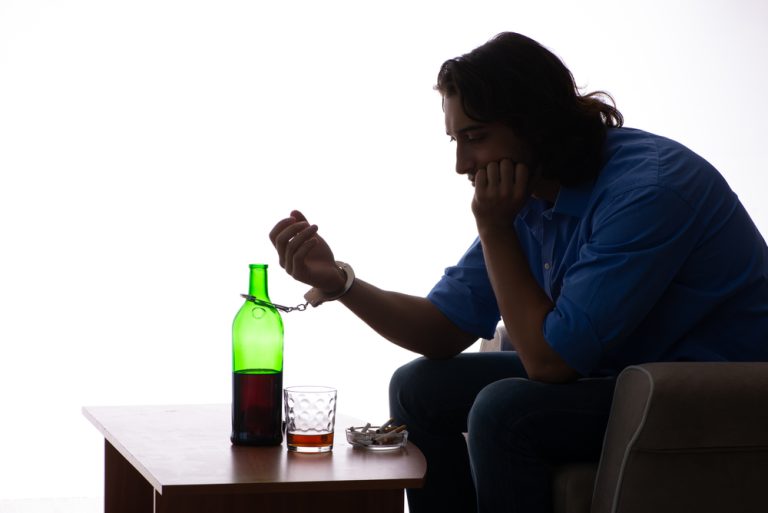
How Does Alcohol Affect Vision and Eye Health?
Referral to a nutrition specialist may be needed to advise patients on required dietary changes. Alcohol also plays a role in conditions that affect ocular function, including cataract development, the onset of age-related macular degeneration, and glaucoma, to name a few. A person who experiences vision issues should see an ophthalmologist — a doctor specializing in eye care. The doctor can help diagnose an underlying condition and provide appropriate treatment. Treatments can vary based on how alcohol has affected a person’s eyes and optic nerve. In past research, as a postdoctoral fellow at UC Berkeley, Telias found that as photoreceptors die off it disrupts the function of the inner retina.
The Ohana: A Holistic Approach to Recovery
Scientific studies have shown that heavy drinkers are likely to develop glaucoma, a group of conditions that damage the optic nerves. It causes vision loss (temporary or permanent in severe cases), eye pain, and redness. The relationship between alcohol and vision is stronger than most people realize. While the occasional drink might not cause lasting harm, chronic alcohol use can damage your optic nerves, alter your perception, and even lead to permanent vision loss. Protecting your eyes means staying informed, drinking responsibly, and scheduling regular eye checkups. One of the most common alcohol and vision loss short-term effects of alcohol consumption is bloodshot or red eyes.
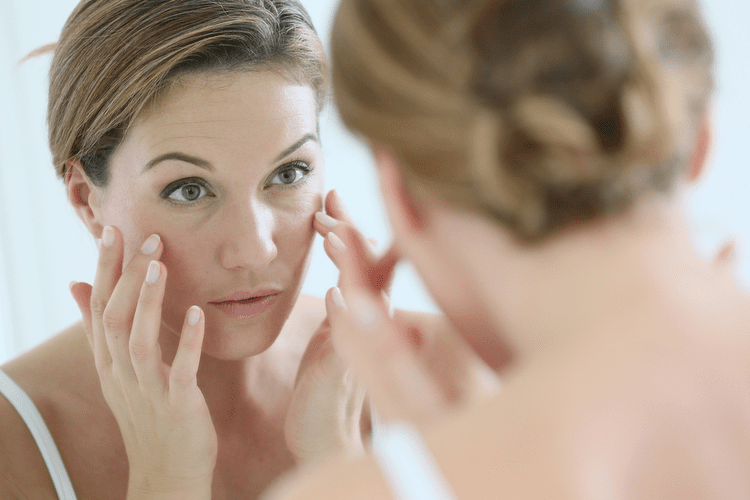
New Research Sheds Light on Vision Loss in Batten Disease
Symptoms can vary from person to person, so it’s best to exercise caution and seek medical help if someone you are with shows signs of extreme alcohol intoxication. Alcohol disrupts the communication between the brain and sensory organs (e.g., eyes and ears), leading to changes in vision, hearing, and perception of the sounds and sights around you. Alcohol causes irritation and inflammation along your gastrointestinal (GI) tract, disrupting normal digestive function. Evidence suggests that certain alcoholic beverages, such as wine and beer, appear to accelerate the movement of food and waste through the digestive system, which can lead to diarrhea. Within five minutes, alcohol reaches your brain, slowing down the central nervous system and affecting the way you feel, think, and behave. The information provided in this blog post is for educational and informational purposes only.
- This reaction raises your blood sugar levels while your body metabolizes the alcohol.
- This can result in increased sensitivity to light and difficulties adjusting from dark to bright environments.
- This effect, typically temporary, can become persistent with frequent and chronic alcohol consumption.